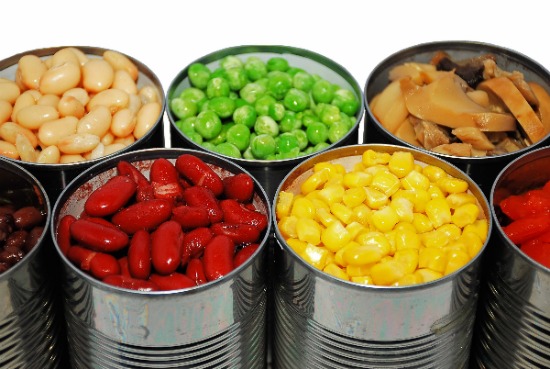

Last week, I went through my pantry, trying to get an idea of how much food storage I have. By the time the organizing session was complete, a dozen or so “expired” items sat on my kitchen counter.
In the past, I didn’t hesitate to throw a can in the trash if it was expired, and it looks like I’m not the only one tossing the goods. More than 75% (and some studies claim it’s as high as 90%) of us believe that food is unsafe to eat after the expiration date. This time, though, I’ve decided to change my ways and put the expired items back on the shelf.
Why?
Because it turns out that none of those dates stamped on canned goods have to do with safety. A recent report by the Natural Resources Defense Council and Harvard Food Law and Policy Clinic claims that expiration dates aren’t regulated as we would believe. There is no standardized system for expiration dates.
THE STUDY FOUND MANUFACTURERS DETERMINE FOR THEMSELVES HOW TO SET DATES, IF THEY WANT TO PUT A DATE ON PACKAGING, WHAT KIND OF DATE THEY WILL USE, AND WHAT THAT DATE MEANS.
So what do those dates mean?
Well, it gets confusing because there are several different types of dates used on packages—like “sell-by”, “best if used by”, “best before”, and “use-by”. Here’s how the United States Department of Agriculture (USDA) defines each of these dates:
Types of Dates
A “Sell-By” date tells the store how long to display the product for sale. You should buy the product before the date expires.
A “Best if Used By (or Before)” date is recommended for best flavor or quality. It is not a purchase or safety date.
A “Use-By” date is the last date recommended for the use of the product while at peak quality. The date has been determined by the manufacturer of the product.
“Closed or coded dates” are packing numbers for use by the manufacturer.
And here’s what the USDA has to say about expiration date safety:
Safety After Date Expires: Except for “use-by” dates; product dates don’t always pertain to home storage and use after purchase. “Use-by” dates usually refer to the best quality and are not safety dates. Even if the date expires during home storage, a product should be safe, wholesome and of good quality, if handled properly.
The only exception to this is the “use-by” date on infant formula; which is mandated by the Food and Drug Administration.
The bottom line is after the expiration date, the food may not be as fresh and it may have lost some of its nutritional value, but generally, it is safe to eat.
Yes; I know what you’re thinking—if you can’t rely on the date; how do you know when the food is unsafe to eat?
The simple answer is to open it and inspect it. If it smells bad; looks off-color or has a funny taste, get rid of it.
And don’t eat the food from rusty, bulging, dented, or otherwise damaged cans.
Other self-sufficiency and preparedness solutions recommended for you:
The vital self-sufficiency lessons our great grand-fathers left us
Knowledge to survive any medical crisis situation
Liberal’s hidden agenda: more than just your guns
Build yourself the only unlimited water source you’ll ever need
4 Important Forgotten Skills used by our Ancestors that can help you in any crisis
Secure your privacy in just 10 simple steps