
1 – VARIETY
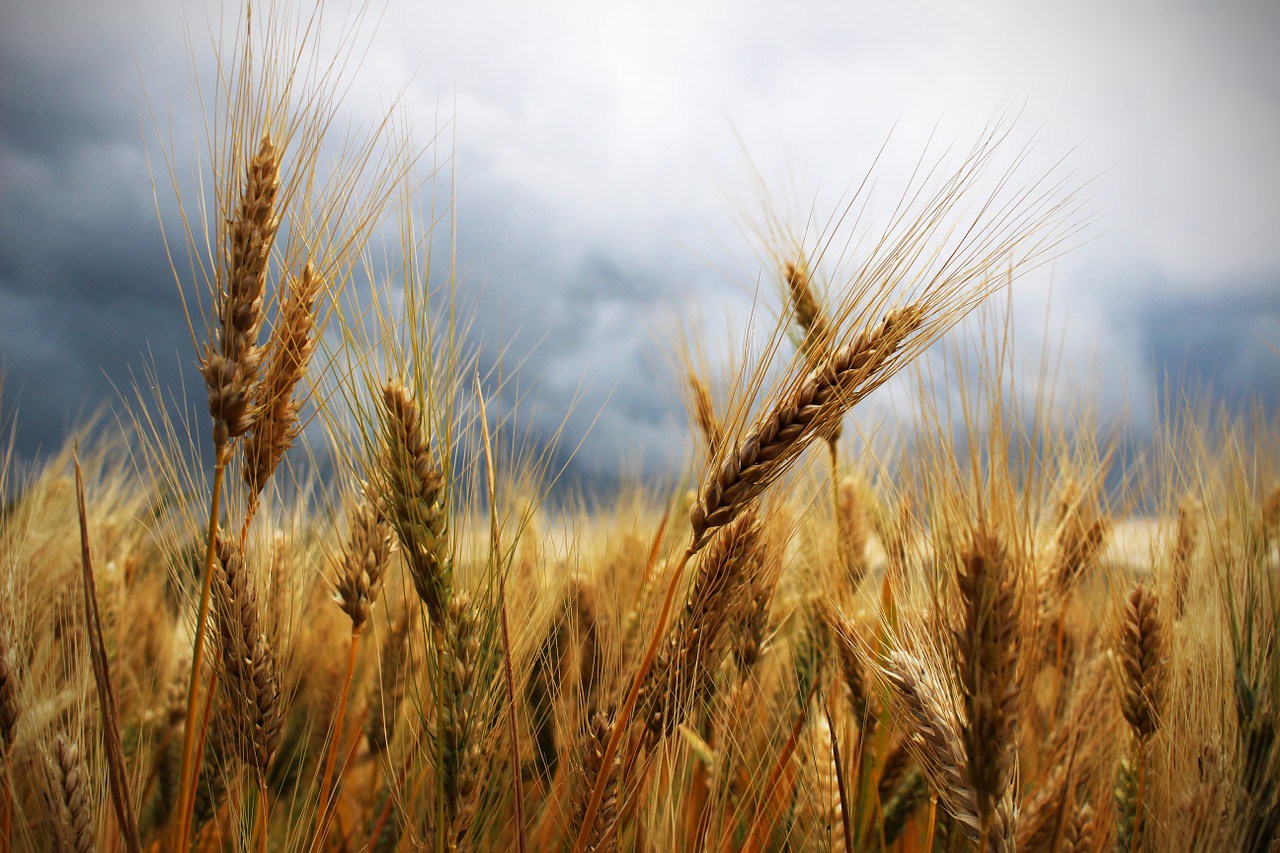
Most people don’t have enough variety in their storage. 95% of the people I’ve worked with only stored the 4 basic items we mentioned earlier: wheat, milk, honey, and salt. Statistics show most of us won’t survive on such a diet for several reasons.
- Many people are allergic to wheat and may not be aware of it until they are eating it meal after meal.
- Wheat is too harsh for young children. They can tolerate it in small amounts but not as their main staple.
- We get tired of eating the same foods over and over and many times prefer not to eat than to sample that particular food again. This is called appetite fatigue. Young children and older people are particularly susceptible to it. Store less wheat than is generally suggested and put the difference into a variety of other grains, particularly ones your family likes to eat. Also store a variety of beans. This will add variety of color, texture and flavor. Variety is the key to a successful storage program. It is essential that you store flavorings such as tomato, bouillon, cheese, and onion.
Also, include a good supply of the spices you like to cook with. These flavorings and spices allow you to do many creative things with your grains and beans. Without them you are severely limited. One of the best suggestions I can give you is buy a good food storage cookbook. Go through it and see what your family would really eat. Notice the ingredients as you do it. This will help you more than anything else to know what items to store.
2- EXTENDED STAPLES
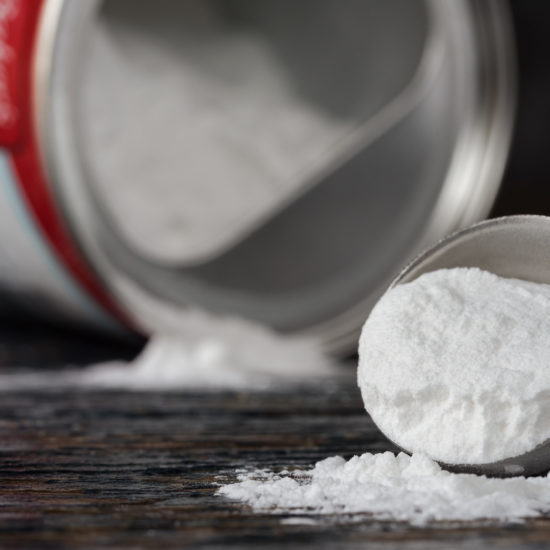
Few people get beyond storing the four basic items, but it is extremely important that you do so. Never put all your eggs in one basket. Store dehydrated and/or freeze-dried foods as well as home canned and store bought canned goods. Make sure you add cooking oil, shortening, baking powder, soda, yeast and powdered eggs. You can’t cook even the most basic recipes without these items. Because of limited space I won’t list all the items that should be included in a well-balanced storage program. They are all included in the The New Cookin’ With Home Storage cookbook, as well as information on how much to store, and where to purchase it.
3 – VITAMINS
Vitamins are important, especially if you have children, since children do not store body reserves of nutrients as adults do. A good quality multivitamin and vitamin C are the most vital. Others may be added as your budget permits.
4 – QUICK AND EASY AND PSYCHOLOGICAL FOODS
Quick and easy foods help you through times when you are psychologically or physically unable to prepare your basic storage items. No cook foods such as freeze-dried are wonderful since they require little preparation. MRE’s (Meals Ready to Eat), such as many preparedness outlets carry, canned goods, etc. are also very good. Psychological Foods are the goodies – Jello, pudding, candy, etc. – you should add to your storage.
These may sound frivolous, but through the years I’ve talked with many people who have lived entirely on their storage for extended periods of time. Nearly all of them say these were the most helpful items in their storage to normalize their situations and make it more bearable. These are especially important if you have children.
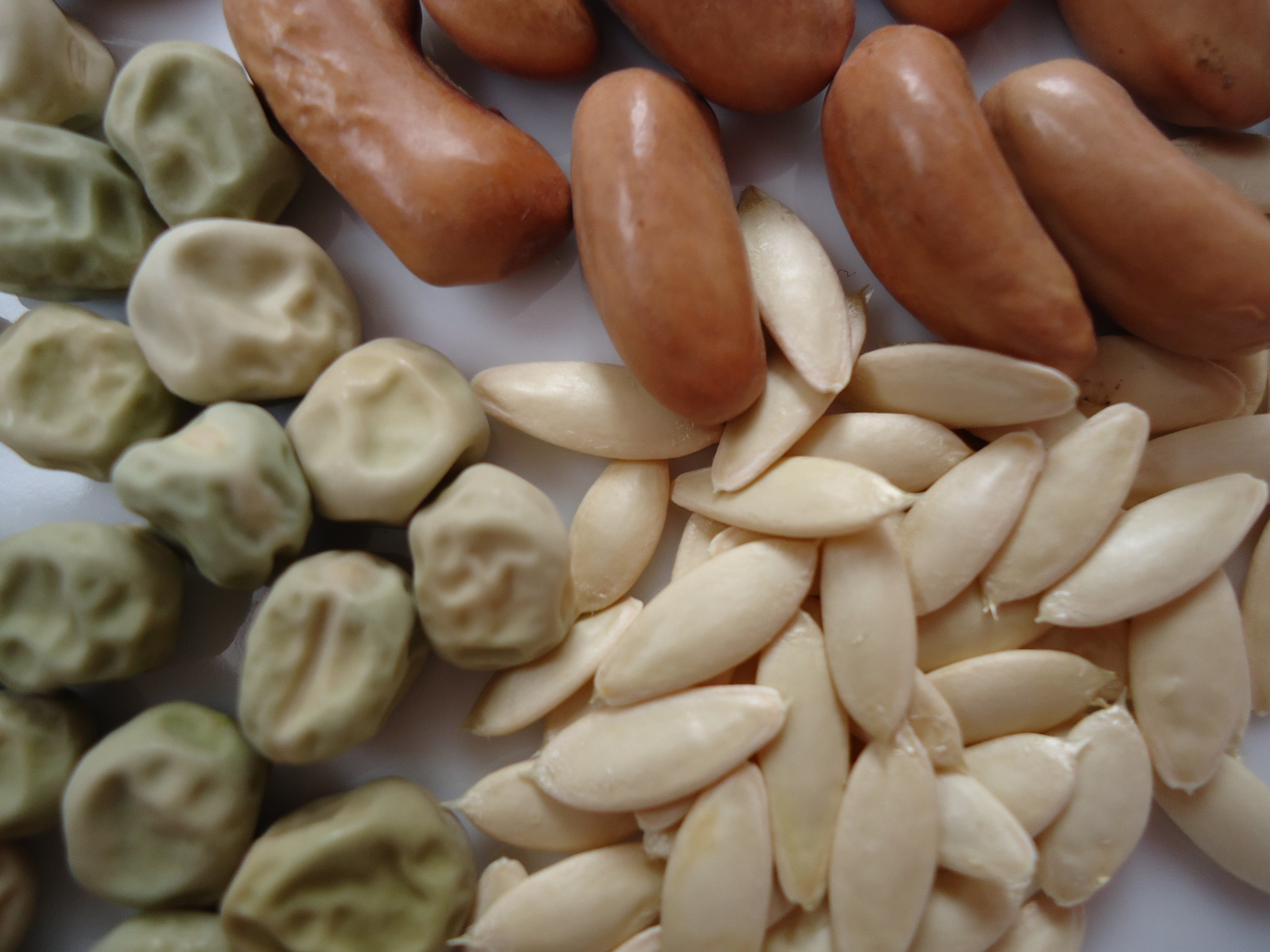
Store a variety of beans. This will add variety of color, texture and flavor.
5 – BALANCE
Time and time again I’ve seen families buy all of their wheat, then buy all of another item, and so on. Don’t do that. It’s important to keep well-balanced as you build your storage. Buy several items, rather than a large quantity of one item. If something happens and you have to live on your present storage, you”ll fare much better having a one-month supply of a variety of items than a year’s supply of two to three items.
6 – CONTAINERS
Always store your bulk foods in food storage containers. I have seen literally tons and tons of food thrown away because they were left in sacks, where they became highly susceptible to moisture, insects and rodents. If you are using plastic buckets make sure they are lined with a food grade plastic liner available from companies that carry packaging supplies. Never use trash can liners as these are treated with pesticides. Don’t stack them too high. In an earthquake they may topple, the lids pop open, or they may crack. A better container is the #10 tin can which most preparedness companies use when they package their foods.
7 – USE YOUR STORAGE
In all the years I’ve worked with preparedness one of the biggest problems I’ve seen is people storing food and not knowing what to do with it. It’s vital that you and your family become familiar with the things you are storing. You need to know how to prepare these foods. This is not something you want to learn under stress. Your family needs to be used to eating these foods. A stressful period is not a good time to totally change your diet. Get a food storage cookbook and learn to use these foods!
It’s easy to solve these food storage problems once you know what they are. The lady I talked about at the first of the article left realizing what she had stored was a good beginning, but not enough. As she said, “It’s better to find out the mistakes I’ve made now while there’s still time to make corrections.” This makes a lot more sense.
If you’re one who needs to make some adjustments, that’s okay. Look at these suggestions and add the things you’re missing. It’s easy to take a basic storage and add the essentials to make it livable, but it needs to be done. As I did the research for my cookbook I wanted to include recipes that gave help to families no matter what they had stored. As I put the material together it was fascinating to discover what the pioneers ate is the type of things we store. But if you have stored only the 4 basics, there’s very, very little you can do with it. By adding even just a few things it greatly increases your options, and the prospect of your family surviving on it. As I studied how the pioneers lived and ate, my whole feeling for food changed. I realized our storage is what most of the world has always lived on. If it’s put together the right way we’ll be returning to good basic living with a few goodies thrown in.